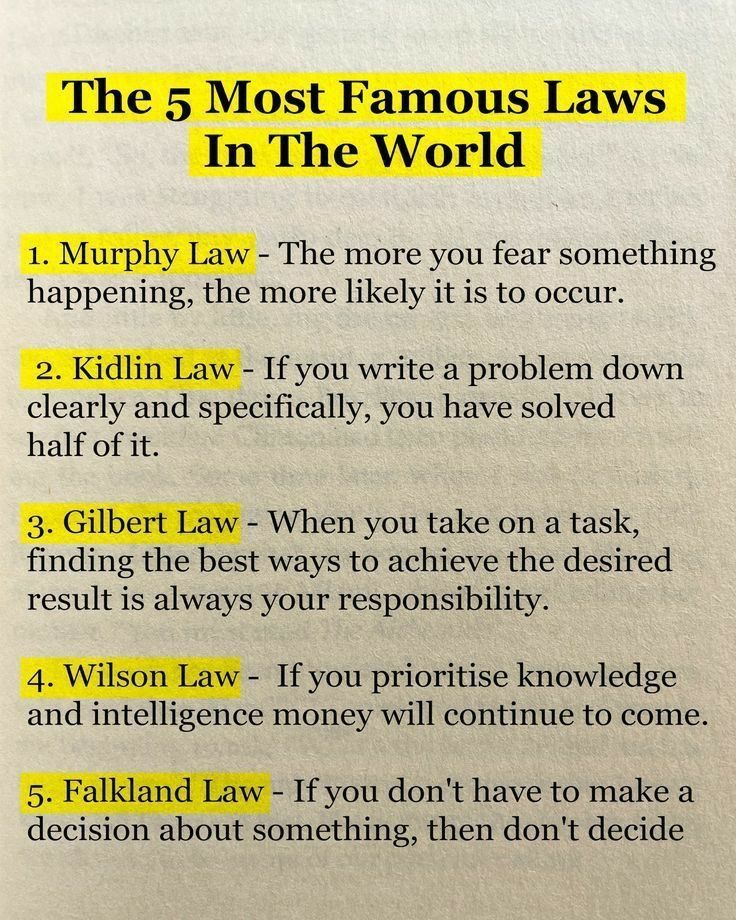
The 5 most famous laws in the world.




Multiple-choice English Exam for students It shows the result like “Student: Κώστας Δημητρόπουλος“, “Time spent: 00:35”, “Correct: 3 out of 5”, “Percentage: 60%”, “Completed on: 2026-01-04 08:49:40″ after submission. Test your English!Take this exam to check your grammar and vocabulary skills. Get instant results, see the correct answers, track your time, and download a personalized PDF with your score. Perfect for students who want quick feedback and teachers who value clear progress. Start now and see how well you really know English! English Exam

5-question multiple-choice English quiz for lower-level students – Version 2 Below is a simple, self-contained PHP solution.It creates a 5-question multiple-choice English quiz for lower-level students and shows the result like “Student: Κώστας Δημητρόπουλος“, “Time spent: 00:35”, “Correct: 3 out of 5”, “Percentage: 60%”, “Completed on: 2026-01-04 08:49:40” after submission. Test your English in minutes!Take this short, beginner-friendly quiz to check your grammar and vocabulary skills. Get instant results, see the correct answers, track your time, and download a personalized PDF with your score. Perfect for students who want quick feedback and teachers who value clear progress. Start now and see how well you really know English! If you want a more academic, more marketing-driven, or more friendly / casual version, I can tailor it exactly to your audience. English Quiz ✅ What this script does Displays 5 easy English multiple-choice questions Lets students select answers Calculates the score on submit…


Self-improvement rarely happens all at once; it grows through small, consistent actions. Like climbing step by step, laying progress brick by brick, or filling a bucket drop by drop, meaningful change is built through patience and persistence. Each effort may seem minor on its own, but over time those efforts accumulate into something solid and lasting. The key is to keep moving forward, even slowly, trusting that steady commitment will eventually shape the life you’re working toward.

Self-improvement also means allowing yourself to be heard, not just listening quietly from the sidelines. When you expose your thoughts, ideas, or vulnerabilities to others, you move from passive observation to active participation in your own growth. Speaking up can feel risky, like standing beneath many microphones, but it’s through that exposure that confidence is built and connections deepen. Your voice doesn’t need to be perfect to be valuable—it needs to be honest. Growth happens not only by absorbing the world, but by responding to it, sharing your perspective, and trusting that what you have to say deserves space.


